Security is a top priority for any business, whether it operates from a small office, a retail store, or a large commercial facility. Controlling who can enter specific areas helps protect employees, assets, and sensitive information. Modern access control systems offer advanced features that go far beyond traditional locks and keys. However, choosing the right system requires careful planning and understanding of your business needs.
1. Assess Your Security Requirements
The first step in selecting the right access control solution is evaluating your security needs. Consider the size of your business, the number of employees, and the areas that require restricted access.
Some businesses may only need entry control for the main door, while others may require multiple access levels for offices, storage rooms, or server areas. Understanding these requirements helps you choose access control systems that provide the appropriate level of protection without unnecessary complexity.
2. Choose the Right Type of Access Method
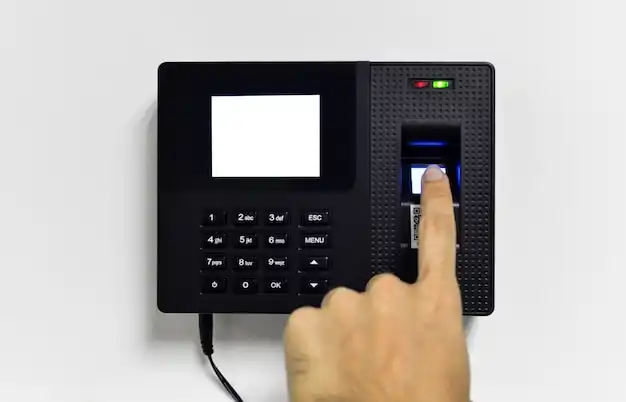
Access control systems come with different authentication methods, including key cards, PIN codes, biometric scanners, and mobile-based access. Key cards and PIN systems are cost-effective and easy to manage, while biometric options such as fingerprint or facial recognition provide a higher level of security.
Mobile-based systems allow employees to use their smartphones for entry, offering both convenience and flexibility. Selecting the right method depends on your security priorities, budget, and daily operational needs.
3. Consider Scalability and Future Growth
As your business grows, your security needs may change. It is important to choose a system that can expand easily by adding more users, doors, or locations.
Scalable access control systems allow businesses to upgrade without replacing the entire infrastructure. This flexibility ensures long-term value and prevents costly system replacements in the future.
4. Look for Integration Capabilities
Modern businesses often use multiple security and management tools. An effective access control system should integrate with other systems such as CCTV, alarm systems, and attendance tracking software.
Integration improves overall security management by allowing centralized monitoring and reporting. It also enhances operational efficiency by combining multiple functions into one platform.
5. Evaluate Remote Management Features
Remote management is an important feature for businesses with multiple locations or flexible work environments.
Cloud-based access control systems allow administrators to grant or revoke access, monitor entry logs, and receive alerts from anywhere. This real-time control improves security and helps business owners respond quickly to any unusual activity or security concerns.
6. Work with a Reliable Provider
Choosing the right provider is just as important as selecting the system itself. A professional vendor will assess your facility, recommend suitable solutions, and ensure proper installation.
They should also offer ongoing support, maintenance, and system updates. Reliable service ensures that your access control system continues to operate efficiently and securely over time.
Conclusion
Selecting the right access control systems for your business involves understanding your security needs, choosing the appropriate access method, planning for future growth, and ensuring system integration and remote management. By working with a trusted provider and investing in a scalable solution, businesses can enhance security, improve operational control, and create a safer working environment for employees and assets.